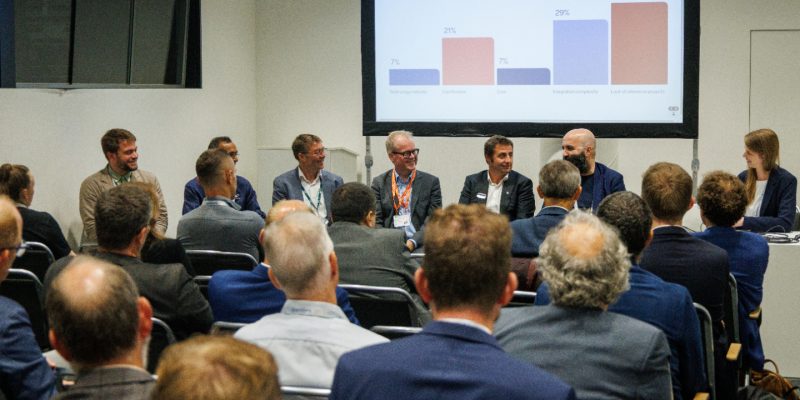
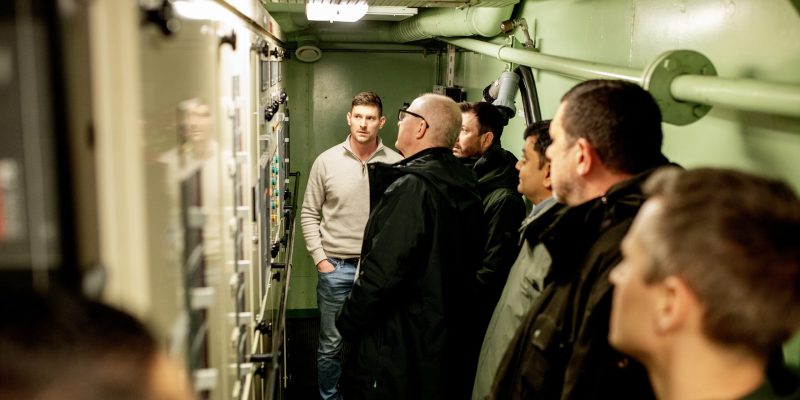
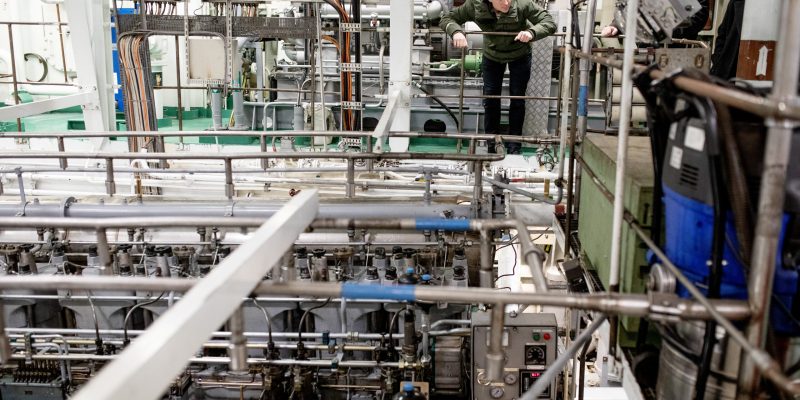
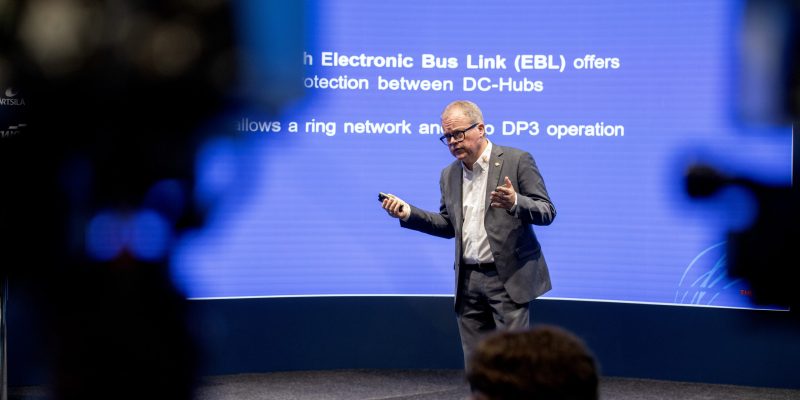
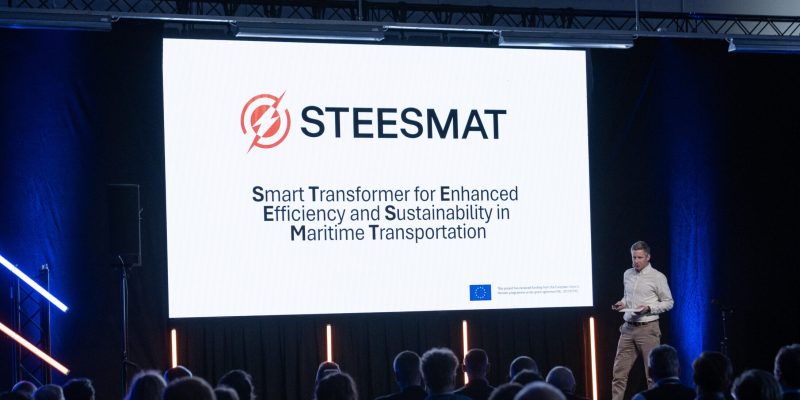
At SMM Hamburg, STEESMAT and ALL-DC-SHIPS brought together stakeholders from across the maritime value-chain to discuss how DC ship systems can move from demonstration to wider commercial use.
Two Horizon Europe projects are joining forces to help prepare direct-current (DC) ship power systems for commercial deployment. Next stop: SMM Hamburg.
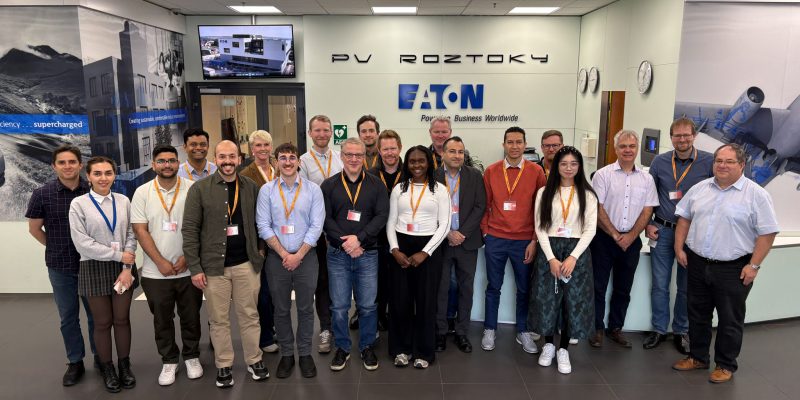
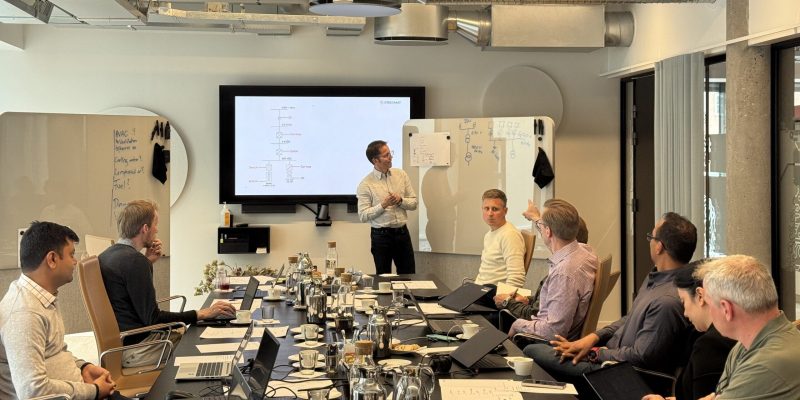
The STEESMAT consortium came together this week at the Eaton European Innovation Center (EEIC) in Roztoky, Prague, for the project’s 2026 General Assembly.
Starting in 2027, the core components of the STEESMAT power system will be integrated, tested and verified in Energy House. The test planning is now well underway.
A new peer-reviewed publication demonstrates how DC-based hybrid power systems and intelligent onboard energy management can enable zero-emission operation of high-speed passenger vessels – one of the most technically demanding segments in maritime transport.
Decarbonizing shipping is one of the greatest challenges facing the maritime industry today. While much of the debate has focused on alternative fuels, the truth is that the future fleet will also require far more efficient and flexible energy systems.
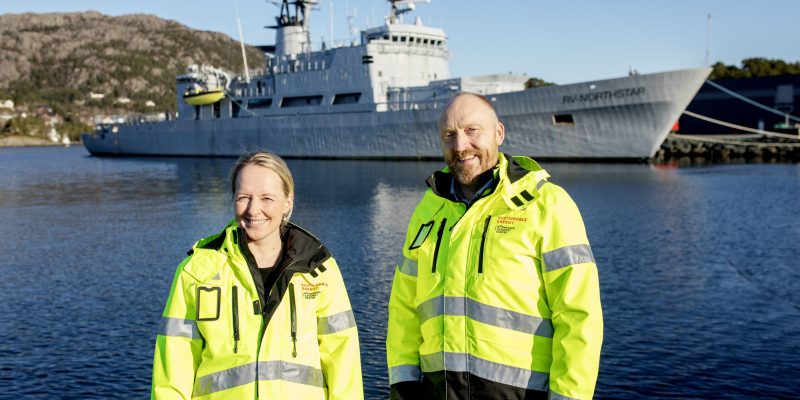
Erlend Bertheussen has stepped into the role of project coordinator for the EU-funded STEESMAT project. With a PhD and extensive international experience in green fuels and energy systems, he now leads the effort to develop next-generation power solutions for large vessels
Nor-Shipping gathered key maritime players from all over the world in Oslo, Norway, this June. As industry pushed towards cleaner, smarter shipping, STEESMAT was a natural part of this year's programme.
STEESMAT consortium gathered in Copenhagen for its first interface workshop — a key step in aligning technical development across the project’s wide-ranging partners.
On Energy House Day this April, the STEESMAT project took the stage to present how direct current (DC) systems can shape the future of maritime energy.
Today’s shipping fleet is responsible for significant emissions and relies on heavy power systems that are not designed for renewable energy. With €7.8 million in EU funding, Maritime CleanTech and partners will create a power system fit for the future fleet.